
Renovations That Think: Integrating Automation Across Your Entire Home

Today we explore smart home overhauls, integrating automation across an entire renovation, from early plans and dust-covered demolition to the satisfying moment lights, climate, and security move as one. Expect practical steps, honest pitfalls, and inspiring wins so your upgraded walls hide a resilient brain that serves comfort, safety, energy insight, and everyday delight without getting in your family’s way.

Designing the Brain: Planning Automation from Blueprint to Move-In

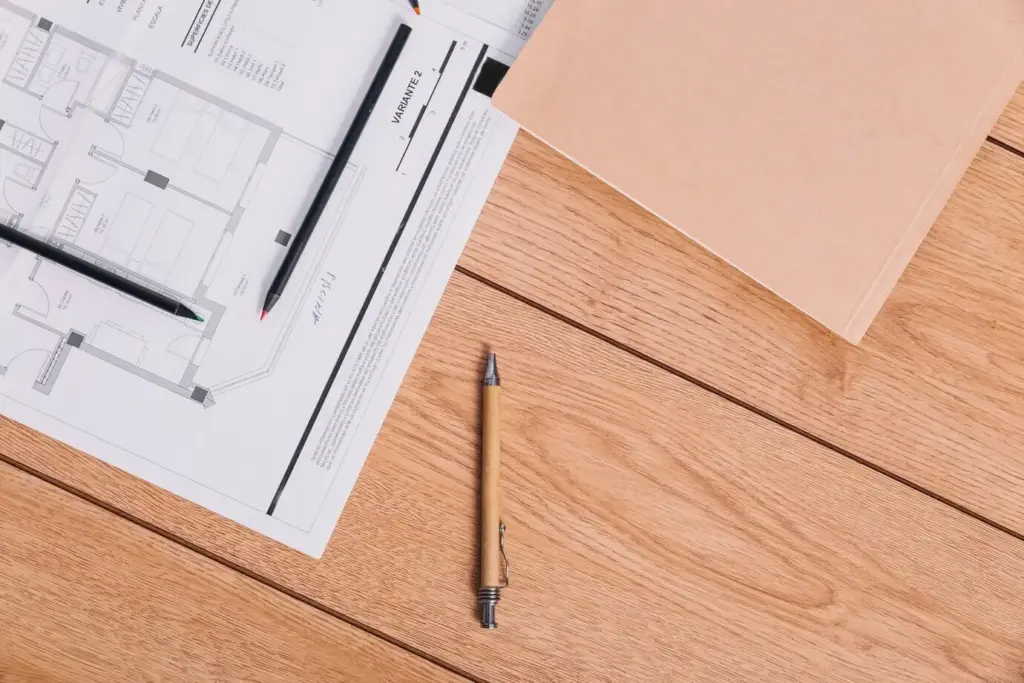
Before wires are pulled or devices purchased, map daily routines, safety requirements, and architectural constraints so automation enhances renovation rather than complicates it. Align lifestyle goals with budget, set measurable success criteria, and choose interoperable standards early. Create Wi‑Fi heatmaps, identify low‑voltage runs, and schedule decision checkpoints with the builder to avoid rushed compromises when drywall is closing and choices become expensive.

01

Room-by-Room Intent Mapping

Walk every space on paper and on site, imagining mornings, returns home, parties, sick days, and vacations. Define scenes, sensors, and overrides for each scenario, noting privacy levels and safety edges. This narrative blueprint gives electricians, integrators, and designers a shared language that prevents random gadget placement and supports coherent, joyful experiences that remain flexible as your family evolves.

02

Protocol Strategy and Ecosystem Choice

Compare Matter with Thread backbones to Zigbee and Z‑Wave meshes and Wi‑Fi power devices, weighing reliability, power draw, range, and future updates. Minimize bridges while embracing proven hubs where necessary. Document vendor lifecycles, local control options, and fallback behaviors so your chosen stack survives internet blips, company pivots, and the natural aging of hardware without trapping you in regret.

03

Renovation Timeline Integration

Map automation decisions to construction milestones: rough‑in, insulation, drywall, cabinet set, trim, paint, and final commissioning. Allocate buffer days for firmware surprises and change orders. Use temporary mockups to validate switch locations and sensor coverage, label everything obsessively, and create a living punch list that bridges what the drawings promised with what your hands actually touch every single day.

Wires, Waves, and Power: Infrastructure That Lasts Decades

Great experiences ride on invisible groundwork. Pull more conduit and low‑voltage cable than you think, favoring home‑run paths to a quiet rack. Provide dedicated circuits, surge protection, and ventilation for gear. Plan neutral wires in every box, deep back‑boxes for smart dimmers, ceiling reinforcement for access points, and accessible junctions so replacements remain painless when technology inevitably evolves.

Smarter Heating and Cooling

Choose communicating thermostats or zone controllers that expose useful datapoints, not just setpoints. Tie in dampers, radiant floors, and ventilation so the house breathes with you. Use quiet sensors for occupancy and CO2, then apply gentle schedules that relax on holidays, pre‑condition before arrivals, and protect pipes without wasting energy when rooms sit peacefully unused.

Layered Lighting Design

Start with a layered plan: ambient, task, and accent, each dimmable and thoughtfully placed. Calibrate dimming curves and color temperatures for evenings that wind down naturally. Program scenes like Cooking, Movie, and Nightlight with clear overrides. Use low‑glare trims, quiet drivers, and wall control engravings so the space remains elegant while still feeling friendly to curious guests.

Security Without Paranoia: Protecting People, Data, and Peace of Mind

Security succeeds when it fades into the background until truly needed. Blend sturdy doors and thoughtful camera placement with encrypted networks and responsible notifications. Favor local storage with cloud redundancy. Provide guest modes, audit trails, and strong authentication. Calibrate alerts so you notice real issues—water leaks, forced entries, unhealthy air—without turning daily life into a stressful siren.

Physical Security That Respects Aesthetics
Choose camera angles that capture approaches and chokepoints while avoiding neighboring windows and intimate spaces. Use recessed mounts, matching finishes, and concealed cabling. Layer contact sensors, glass‑break detection, and quiet chimes. Provide mechanical keys and battery backups so doors work during outages. Keep signage friendly but clear, signaling protection without broadcasting expensive gear to opportunistic passersby.

Network Hygiene and Segmentation

Place IoT on dedicated VLANs, isolate management interfaces, and enforce strong, unique credentials with multi‑factor authentication. Use WPA3, disable insecure services, and maintain a regular patch cadence. Back up controller configs and camera footage to redundant storage with UPS protection. These boring disciplines turn exciting gadgets into trustworthy systems that resist botnets, outages, and midnight panic.

Interfaces That Delight: Voice, Apps, and Thoughtful Controls

Interfaces should feel obvious on a sleepy morning and dependable during storms. Keep tactile controls for must‑work functions while layering voice and dashboards for convenience. Prioritize low latency, consistent terminology, and inclusive design. Celebrate small moments: a double‑tap that sets evening lights, a whispered command that warms the bathroom, a tablet mode that guides guests without embarrassment.

Wall Controls Done Right

Place scene controllers where hands naturally reach, and engrave labels that survive parties and sleep deprivation. Program gentle fades, double‑tap shortcuts, and long‑press safety overrides. Ensure fallback to local control if the hub fails. When switches behave predictably, people trust the invisible smarts and feel in charge rather than trapped in a blinking, confusing experiment.

Voice that Actually Helps

Treat voice as a friendly assistant, not a gatekeeper. Choose microphones with clear pickup, disable always‑listening where privacy demands, and create short, memorable phrases. Provide multimodal alternatives for accents and noise. Tie routines to context—time, occupancy, or scene—so words unlock genuinely helpful actions instead of awkward misunderstandings that make family members roll their eyes and give up.

From Paper to Reality: Commissioning, Testing, and Handover

The handoff is where projects earn trust. Build checklists, test every scene, and validate sensor placement with real people at real times. Document firmware, IPs, and cable labels. Train the household patiently. Schedule seasonal tune‑ups and backups. With disciplined commissioning, small annoyances surface early and disappear, leaving resilient systems that quietly work while the remodel memories finally settle.

Acceptance Testing You Can Trust

Verify every device, command path, and edge case: power outages, internet loss, low batteries, and accidental touches. Confirm default states after reboot, safe failures, and manual overrides. Invite occupants to run their routines and capture feedback. Acceptance becomes an empowering moment where everyone sees promises fulfilled, confidence rising, and ownership transferring from builder to household gracefully.

Documentation That Saves Future Headaches

Deliver as‑builts with annotated photos, QR links to manuals, serial numbers, MACs, and wiring diagrams. Store copies both locally and in the cloud. Create a change log and a maintenance calendar. Clear records cut future costs, speed troubleshooting, support resale disclosures, and keep family members or future technicians from guessing in stressful situations when minutes truly matter.

Living With It: The First 90 Days

Expect tiny irritations to surface as routines meet reality. Capture notes in a shared document, then adjust scenes, sensor thresholds, and notifications in batches. Monitor energy and comfort trends. Schedule a post‑occupancy review with your installer. These measured tweaks transform good systems into beloved ones, keeping momentum and confidence high while life returns to normal rhythms.

Real Stories and Budget Truths: Lessons From the Field

Behind glossy photos are spreadsheets, compromises, and surprisingly tender moments. Hear how whole‑home automation reshaped renovations for families, from accessibility wins to energy paybacks. Learn budget ranges, contingency percentages, and where to splurge. Discover mistakes worth avoiding. Share your questions and subscribe for practical updates as we continue exploring living spaces that feel both calm and magically capable.

Case Study: The River House Renovation

A 1920s bungalow beside a fast stream demanded careful low‑voltage runs through lath and plaster. The family wanted quiet mornings and safer nights. We phased conduit, used Thread for sensors, kept local storage for cameras, and trained everyone. Months later, they report lower bills, fewer light switches, and a serene flow where the house feels attentively alive.

Where the Money Goes

Expect the backbone to claim the largest slice: wiring, rack, power conditioning, network, and commissioning labor. Allocate a healthy contingency for surprises hidden in walls. Prioritize reliability over novelty on early purchases. Add nice‑to‑have gadgets after living in the space. This staged approach protects budgets, reduces regret, and keeps momentum during stressful construction weeks.

Join the Conversation

We’d love your voice in this ongoing journey. Tell us what you are planning, where you feel stuck, and which routines matter most. Share floor plans or sketches for friendly critique. Subscribe for deep dives, checklists, and seasonal reminders. Your stories help refine advice and inspire smarter, kinder homes that work beautifully for real, imperfect, changing lives.
Kifixakoremeta
Privacy Overview

This website uses cookies so that we can provide you with the best user experience possible. Cookie information is stored in your browser and performs functions such as recognising you when you return to our website and helping our team to understand which sections of the website you find most interesting and useful.